
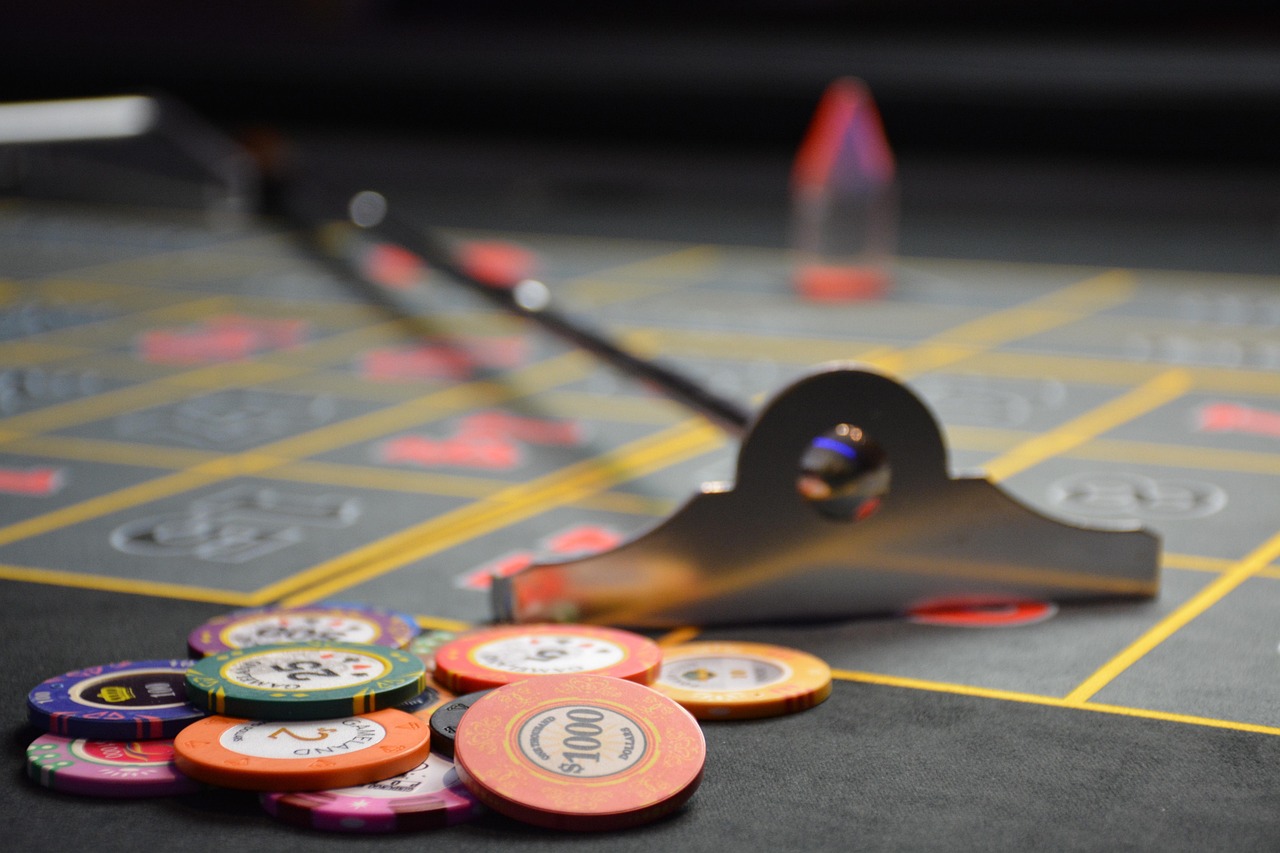
Every gambler remembers their first big win. Mine came on a Tuesday night in a half-empty casino in Reno, when a $2 spin on a progressive slot turned into $1,400. For about a week I was convinced I'd cracked some hidden code. Then I gave most of it back over the next month, which taught me a far more valuable lesson than the jackpot ever did: in iGaming, understanding the math matters more than chasing the feeling.
Whether you're spinning slots, grinding poker tables, or placing sports bets, the house edge doesn't care about your intuition. It only respects volume, variance, and discipline. Here's what actually happens to your money across the main iGaming verticals, and how smart players manage it.
People love to say slots are "rigged." They're not, at least not in regulated markets. Every certified slot runs on a random number generator with a published return-to-player percentage (RTP). A 96% RTP means that, over millions of spins, the machine returns about $96 for every $100 wagered. The casino keeps $4. That's the house edge, and it's baked into the math, not imposed after the fact.
Here's the part most players miss: RTP is a long-run average across the entire player pool, not a promise for your session. You might hit 300% RTP in twenty minutes or 40% over three hours. Variance is the rollercoaster between those outcomes.
My rule: pick volatility based on your bankroll size, not your mood. A $50 bankroll on a high-volatility slot is a lottery ticket. On a low-volatility game, it's an evening of entertainment with a realistic shot at walking away close to even.
Here's the beautiful thing about poker: you're not playing against the house. You're playing against other humans, and the house just takes a rake. That means a skilled player can achieve a positive expected value (EV) over time — something impossible in pure chance games.
But the rake matters more than most beginners realize. In a low-stakes cash game with a 5% rake capped at $3, you need to win roughly 5–8 big blinds per hour just to break even against the fee. That's a meaningful hurdle. Higher stakes reduce the rake's impact proportionally.
What separates profitable poker players from break-even ones?
If you're serious about poker, prioritize cash games over tournaments at first. Tournaments have enormous variance — even world-class players can go dozens of events without a final table. Cash games let your edge compound session by session. If this is new to you, สล็อต is a sensible next read.
Sports betting rewards homework. A bettor who tracks line movements, injury reports, weather conditions, and public betting percentages has a genuine informational advantage over someone picking teams by gut feeling. The edge is small — often 2–5% — but it's real and repeatable.
The single most important concept here is implied probability. A -150 moneyline translates to roughly 60% implied probability. If you believe the true probability is 65%, that's value. If it's 55%, you're paying too much for the risk.
I've watched gifted poker players and sharp bettors go broke for one reason: they didn't respect their bankroll. The math of ruin is unforgiving. Even with a 55% win rate against even-money odds — an excellent edge — you can easily lose ten bets in a row. At $100 per bet with a $1,000 bankroll, that's extinction.
The fix is simple but requires discipline:
The pros aren't the ones who win the most on any given night. They're the ones who survive the bad nights.
Welcome bonuses are the loudest banner in iGaming for a reason — they're profitable for the casino and often overpriced for you. A 100% deposit match sounds generous until you read the wagering requirement: 35x the bonus, slots contribute 100%, table games contribute 10%, and the maximum cashout is capped at 5x your deposit.
Do the math before you claim. A $100 bonus with 35x wagering means $3,500 in bets before withdrawal. On a 96% RTP slot, the expected loss is about $140. Suddenly that "free" $100 bonus isn't free at all.
Some bonuses are genuinely +EV — reload offers, free spins with low wagering, or cashback deals. But you have to read the terms like a lawyer. The house writes them specifically because most players don't.
iGaming isn't a shortcut to wealth. What you're actually buying is entertainment wrapped in a probability engine. The slots are designed to give the house its cut over time. Poker and sports betting give a disciplined, informed player a fighting chance at a real edge — but only if that player respects variance, sizes bets properly, and treats bankroll management as sacred.
The gamblers who last aren't the ones with the best luck. They're the ones who understood the math before they ever placed a bet, and who keep their ego out of every decision. Learn the numbers. Play smaller than you want to. Walk away when the plan says walk away. That's the whole secret, and nobody sells it in a $99 course because you can't package discipline into a funnel.

Hi, my name is Anthony kuber. I am artist and fashion designer.
I love to travel and writing blogging.
Your email address will not be published. Required fields are marked *
Software Developer & Writer
Hey, I'm Diva, a developer and writer blending code and creativity. I'm driven by a deep curiosity and a relentless pursuit of excellence. Join me as I craft digital solutions and captivating stories.


