
Green water is caused by single-celled algae suspended in the water, and it almost always arrives in spring. Light levels rise, day length increases, and the algae get a head start on the plants you have in the pond. At the same time, decaying leaves and silt from winter are releasing dissolved nutrients, particularly nitrate and phosphate, which the algae use as fuel. The result is pea soup, and it can appear within days.
It is worth remembering that green water is a symptom rather than the problem itself. A pond with too many nutrients and too little competition will produce algae, whether it is a tiny barrel or a large wildlife pond. That is why treating the water with a chemical is such a poor approach: it kills the algae, the algae rot, oxygen levels crash, and the cycle restarts with fewer plants and less wildlife to keep things in check. Treat the cause instead.
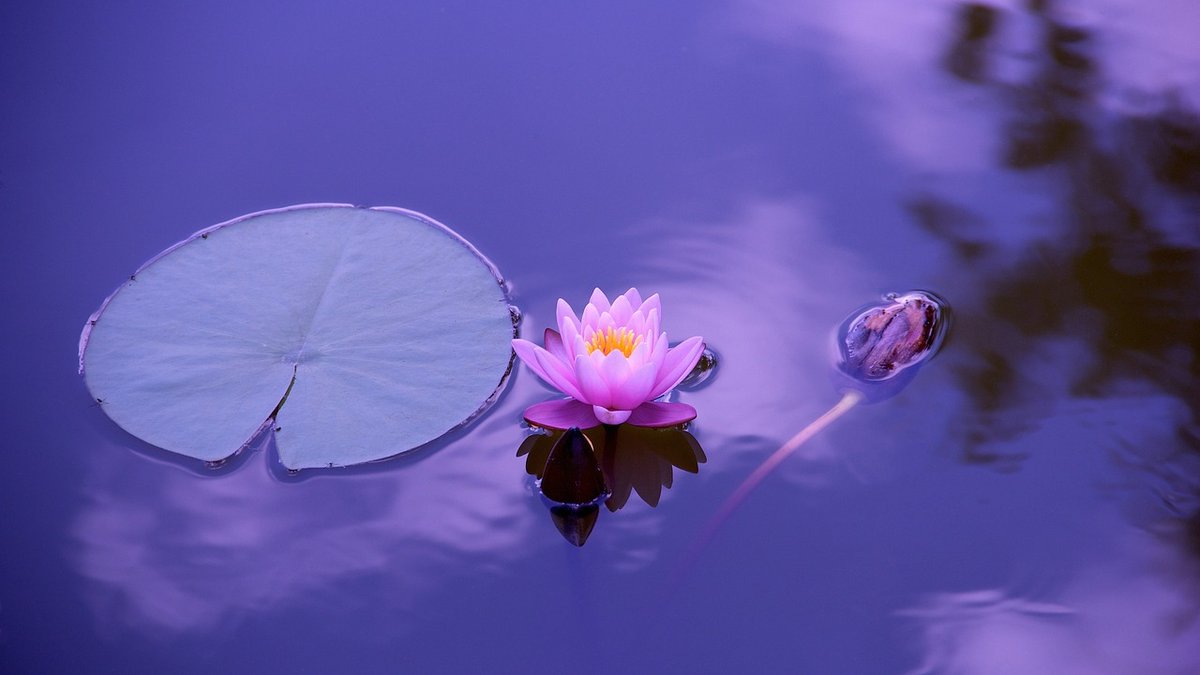
The cheapest, most reliable way to reduce algae is to reduce the light and the nutrients available to it. Aim for between 30 and 50 per cent of the water surface covered by floating leaves by midsummer. In a small pond, choose compact varieties such as a pygmy waterlily, or water hawthorn, which flowers early and then dies back. Larger ponds can take a full-sized waterlily, but they need dividing every few years.
Around the edges, plant marginals that will uptake nutrients through the growing season: flowering rush, marsh marigold, purple loosestrife, sedges, and pickerel weed. Under the surface, oxygenators such as hornwort and water crowfoot compete directly with algae for nutrients. Fringing plants also create shade and shelter for amphibians, dragonfly larvae and small fish, so the benefit is doubled.
Be careful what you introduce. Floating pennywort, water fern, parrot's feather and New Zealand pigmyweed are invasive non-natives that can be illegal to sell or plant and are desperately difficult to remove once established. Your pond is better off without them, and so is the local river.
Barley straw is the traditional, wildlife-friendly answer to green water and it does work, but only if you use it correctly.
Be cautious in very small or poorly oxygenated ponds. Straw consumes oxygen as it decomposes, and in a warm, still pond that can be worse than the algae. Barley straw pellets or liquid extracts are a tidier option for a small container pond and are easier to dose accurately. None of these will fix a pond that is overloaded with nutrients; they just take the edge off.
Most algae problems are feeding problems. Reduce what enters the water and the algae lose their advantage.
Stringy blanket weed and the soft green films on rocks are different from green water, and they need a different response. Twirl blanket weed out with a cane or a rough stick, working in sections rather than stripping the pond bare. Every handful you remove takes nutrients with it. A little is fine to leave: newts lay eggs in it and it shelters small invertebrates.
Marginals and oxygenators will outcompete it once they are growing strongly. In the meantime, avoid algicides entirely. They knock back the whole food web, can be toxic to amphibians, and often leave you with a clearer but lifeless pond that turns green again within a fortnight.
A little green is not a failure. Most balanced ponds look tinted in April and May and clear by early summer as the plants get going. A UV clarifier will clear suspended green water without chemicals, though it does nothing for blanket weed and it hides the underlying nutrient problem rather than solving it.
Give any change several weeks to take effect. Add shade, add barley straw, cut back the feeding, and let the plants and the wildlife do the rest. A pond that is slightly imperfect, with frogs, larvae and a bit of algae on the stones, is a far better pond than a sterile one.

Hi, my name is Anthony kuber. I am artist and fashion designer.
I love to travel and writing blogging.
Your email address will not be published. Required fields are marked *
Software Developer & Writer
Hey, I'm Diva, a developer and writer blending code and creativity. I'm driven by a deep curiosity and a relentless pursuit of excellence. Join me as I craft digital solutions and captivating stories.


