
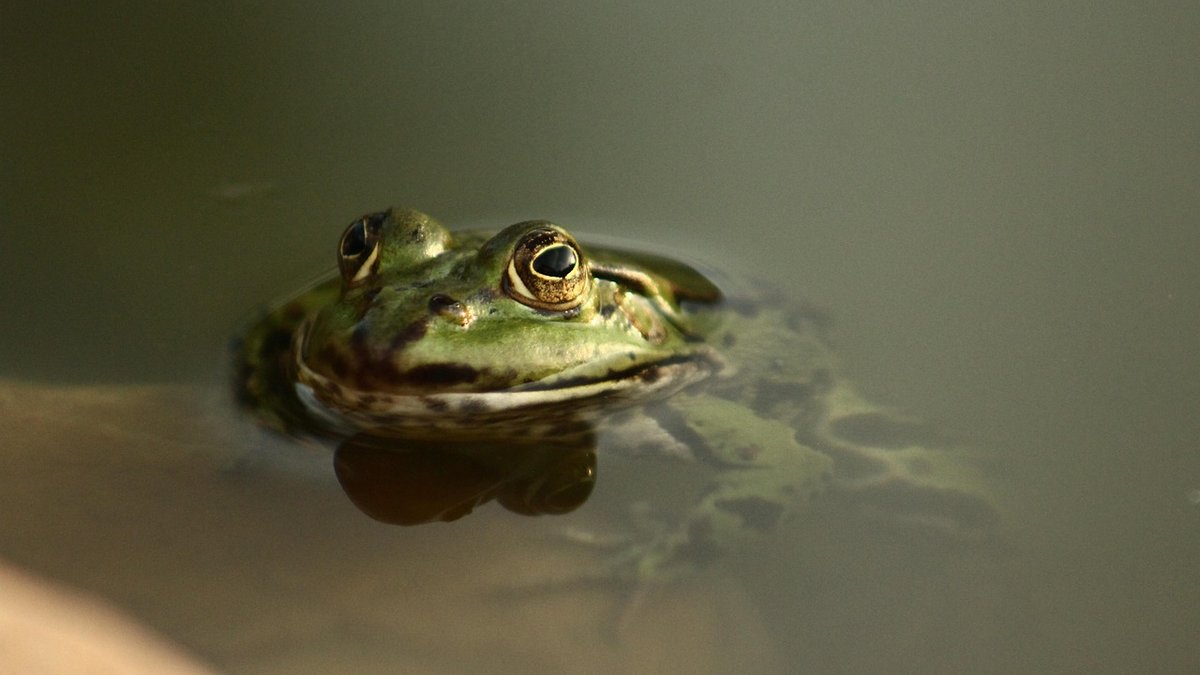
Frogs and newts are among the most rewarding wildlife you can encourage into a garden pond. They eat slugs, snails, beetles and flies, and their tadpoles graze on algae, helping to keep the water clear. More than that, they are a sign of a healthy, balanced pond. With so many natural ponds lost from the British countryside, garden ponds have become vital refuges for our native amphibians. Common frogs, common toads, smooth newts and palmate newts will all readily move in if the habitat suits them. Great crested newts are rarer and legally protected, but a well-designed pond may still attract them in some areas. Creating a safe haven is simpler than you might think.
The single most important feature for amphibians is an easy way in and out. Frogs and newts are not strong climbers, and steep, smooth pond sides can trap them. Aim for at least one gently sloping beach area where the water meets the bank. A shallow shelf just 5–10cm deep is ideal for spawning, and a gradual slope covered with pebbles or gravel gives amphibians a firm footing.
If you already have a steep-sided pond, you can add a ramp of rough stones or a piece of untreated timber to give amphibians a leg-up. Check it regularly for stability.
Native pond plants provide shelter, egg-laying sites and hunting grounds. Newts wrap their eggs individually in the leaves of submerged plants, while frogs lay their spawn in shallow water among marginal growth. Aim for a mix of marginal, submerged and floating plants, but leave some open water for basking and for birds to drink.
Avoid invasive non-native plants such as New Zealand pygmyweed, water fern and parrot's feather. They spread rapidly, smother native plants and are illegal to allow into the wild. Always check labels and never take plants from the wild.
Amphibians do not spend all their time in water. Frogs and newts need damp, sheltered places on land for resting, feeding and hibernating. A log pile in a shaded corner is perfect. Stack untreated logs, branches and brash loosely so there are gaps and crevices. Leave some leaf litter and moss around it to keep the area cool and moist.
From October to March, amphibians may be hibernating in these spots. If you must move a log pile or compost heap, do it gently and be prepared to relocate any sleepy residents to a similar damp, sheltered spot.
Fish are the biggest threat to amphibian eggs and tadpoles, so if you want frogs and newts, it is best to keep the pond fish-free. Avoid pesticides and fertilisers near the pond, as these can kill amphibians directly or poison their food. Top up with rainwater rather than tap water, which contains chlorine and chloramine. If you must use tap water, let it stand for 24 hours first and add it slowly.
Some blanketweed and algae are natural, but if they take over, remove excess by hand rather than using chemicals. Leave a little debris at the bottom for newts to hide in, but not so much that the pond stagnates. In winter, avoid smashing ice — the shock waves can harm amphibians. Instead, float a small ball or a pan of hot water on the surface to melt a hole gently.
The best time to spot frogs and newts is at dusk in spring and early summer. Use a torch with a piece of red cellophane over the lens — red light disturbs them far less than white. Sit quietly and watch for ripples, or listen for the soft croaking of male frogs. Count spawn clumps in spring and newt eggs on folded leaves later on. Never handle amphibians unless absolutely necessary; if you must move one, wet your hands first and avoid sunscreen or insect repellent. Keep dogs and cats away from the pond edge, and never introduce spawn or tadpoles from another pond, as this can spread disease. With a little patience, your garden will become a thriving haven for these fascinating creatures.

Hi, my name is Anthony kuber. I am artist and fashion designer.
I love to travel and writing blogging.
Your email address will not be published. Required fields are marked *
Software Developer & Writer
Hey, I'm Diva, a developer and writer blending code and creativity. I'm driven by a deep curiosity and a relentless pursuit of excellence. Join me as I craft digital solutions and captivating stories.


